
Comprehensive Eye Exams
The Foundation of Healthy Vision
The best way to ensure a lifetime of good vision is through regular, comprehensive eye exams. An examination by an EyeHealth Northwest ophthalmologist or optometrist is much more than a test to determine whether you need glasses or contact lenses.
What to Expect
More Than a Vision Test
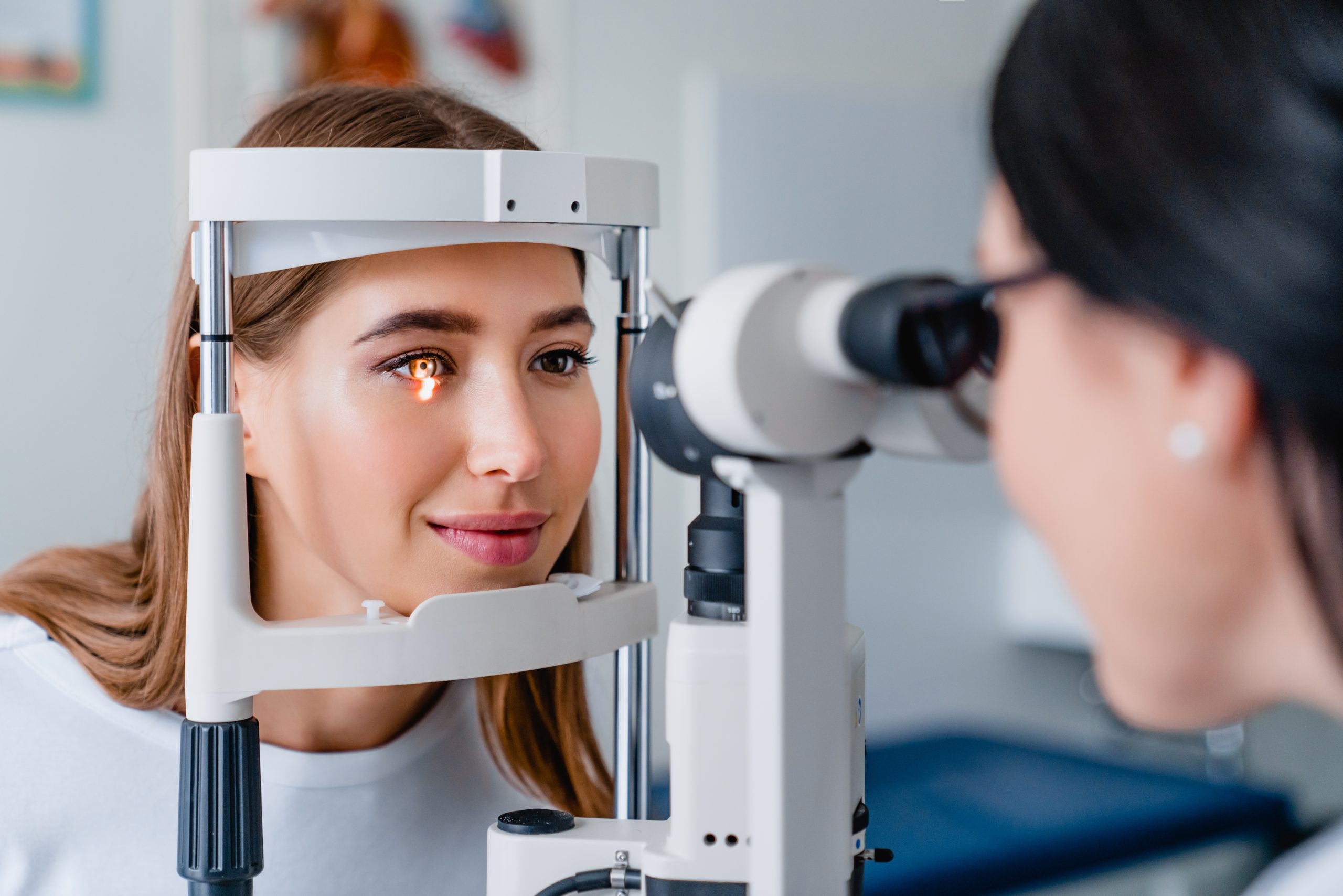
A comprehensive eye exam also includes:
- A test to measure your eye pressure
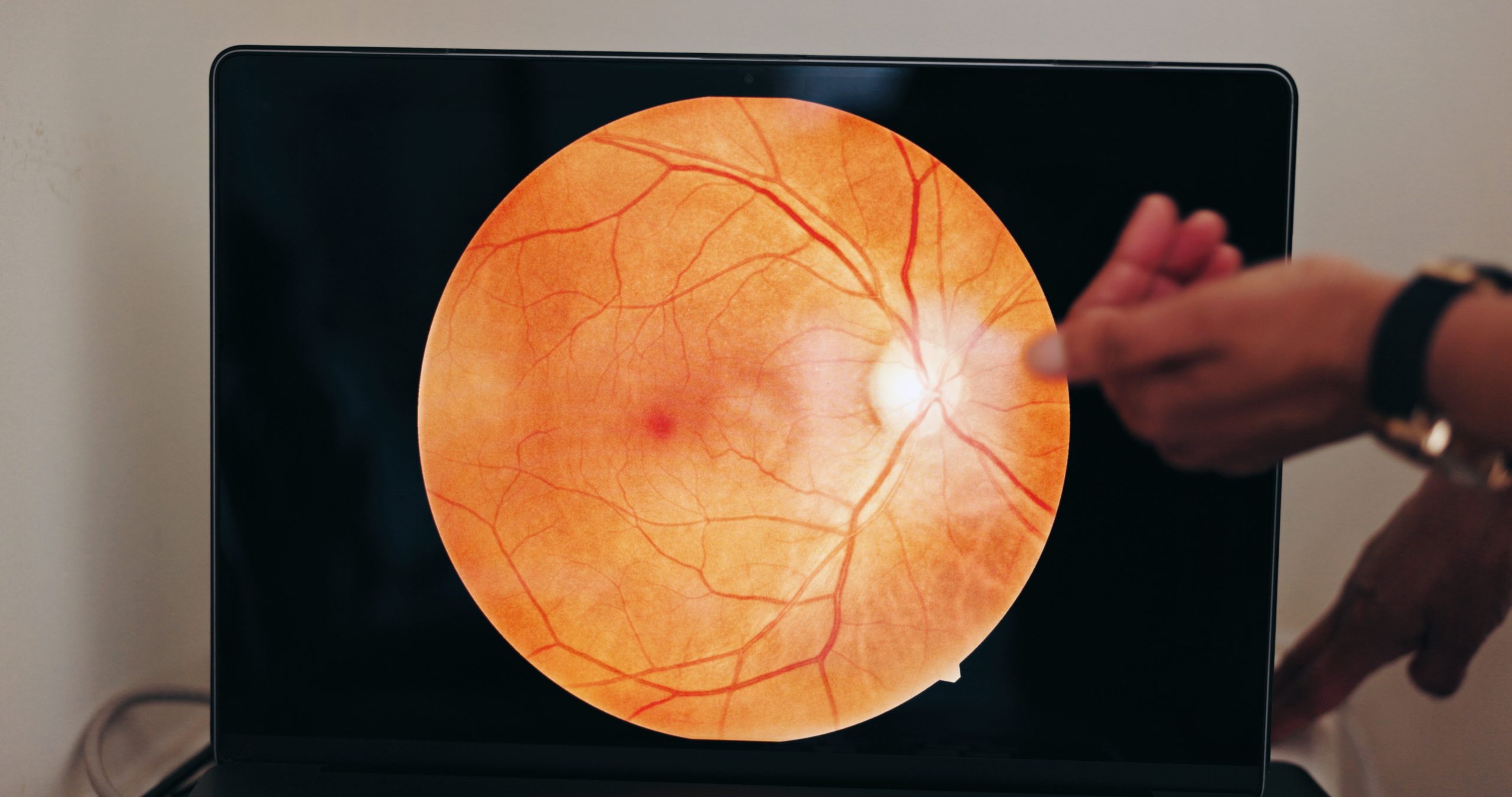
- A retinal exam to view the back of your eye
- A microscopic examination of the front of your eye
In addition to ensuring proper eyesight, regular eye exams allow your eye doctor to detect and treat diseases at the earliest possible opportunity. Several eye diseases, such as glaucoma, show no symptoms in their early stages. A regular comprehensive eye examination can help detect diseases early, improving the likelihood of successful treatment.
Staying on Schedule
How Often Should I Have an Eye Exam?
Maintaining regular checkups is important. Although you will need to consult with your own eye care practitioner, here are some general guidelines recommended by the American Academy of Ophthalmology:
Age 40 and under
once every 3 years
Age 40–65
once every 2 years
Age 65 and over
annually
In addition, if you have diabetes, it is critical that you have a comprehensive eye examination every year. Diabetic retinopathy is one of the most common complications associated with diabetes and is the leading cause of blindness among working-age Americans. Some patients with certain ocular or systemic conditions may require more frequent examinations.
Not sure when your last exam was? If it’s been a while, now is a great time to get back on track.
Why It Matters
What Are the Benefits of Eye Exams?
Early detection of eye diseases
Regular eye exams can detect serious eye conditions like glaucoma, cataracts, and age-related macular degeneration in their early stages, when they are most treatable.
Vision correction
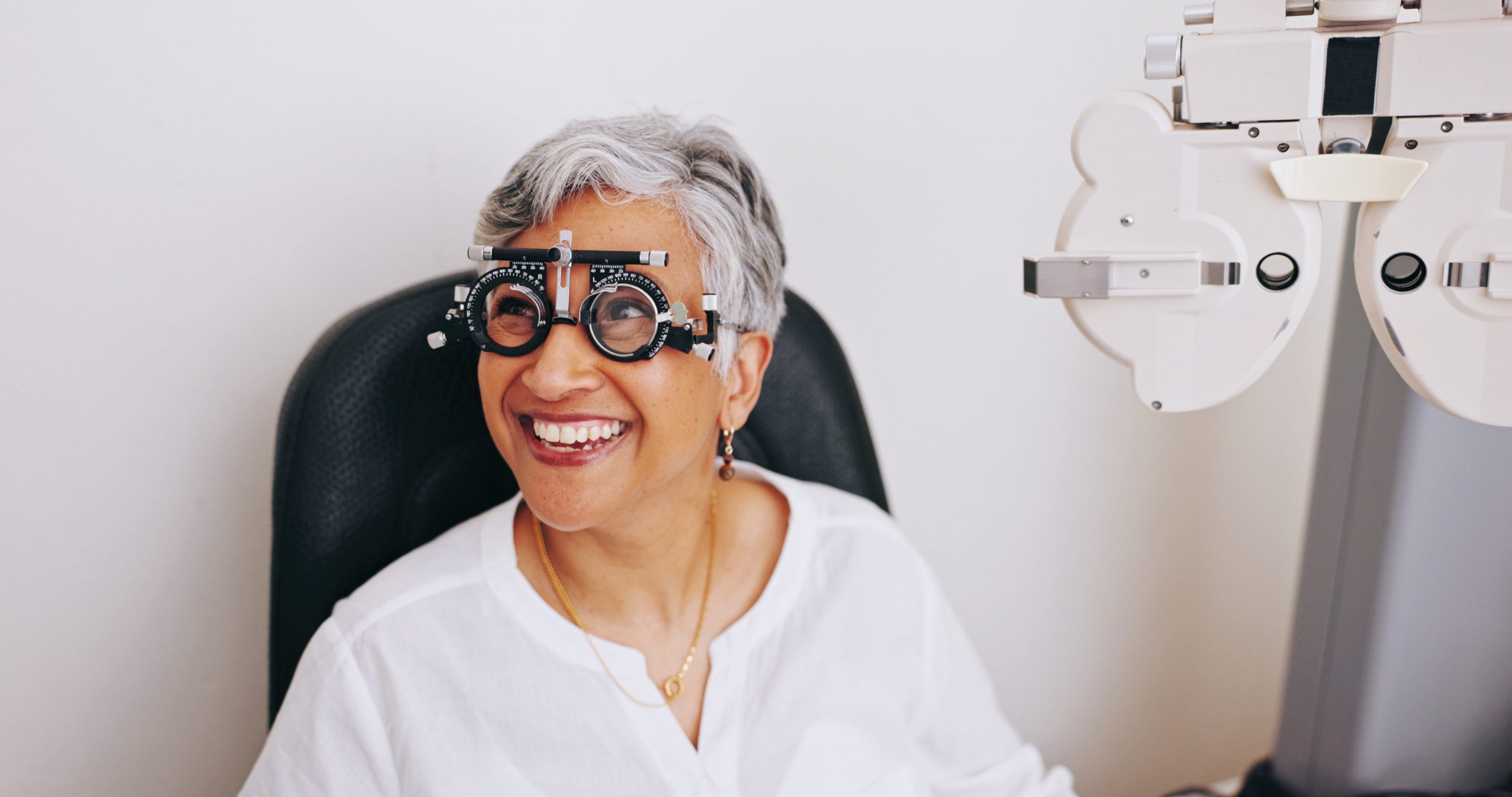
An eye exam is essential for determining whether you need glasses or contact lenses, or whether your current prescription needs to be updated.
Detection of other health issues
The eyes can be a window to your overall health. Your eye doctor can spot signs of other health problems, such as diabetes, high blood pressure, and even some tumors, during a routine exam.
Improved quality of life
Clear and comfortable vision is vital for daily activities, including driving, working on a computer, and reading.
Reduced eye strain and headaches
Correcting vision problems can alleviate symptoms like eye strain, fatigue, and headaches that are often caused by uncorrected vision.
For children, improved learning
Clear vision is crucial for a child’s development and success in school. An eye exam can identify vision issues that might be hindering their ability to learn.
Personalized advice
An eye care professional can give you advice on how to care for your eyes, including tips for digital screen use, sun protection, and proper contact lens hygiene.
Getting Started
Due for an Eye Exam?
Whether you need an updated prescription, have noticed a change in your vision, or simply want peace of mind, our team is here to help. With locations throughout Oregon and Southwest Washington, expert eye care is always nearby.
What Our Patients are Saying