
Pediatric Eye Care
Specialized Eye Care For Growing Eyes
A child’s vision plays an important role in how they learn, develop, and experience the world around them. Because children’s eyes and visual systems are still developing, identifying an eye or vision problem early can make an important difference.
At EyeHealth Northwest, our pediatric ophthalmology team provides comprehensive evaluation and treatment for infants, children, and teens. From routine concerns and failed vision screenings to complex eye conditions, our specialists provide experienced, thoughtful care designed around the unique needs of children and their families.
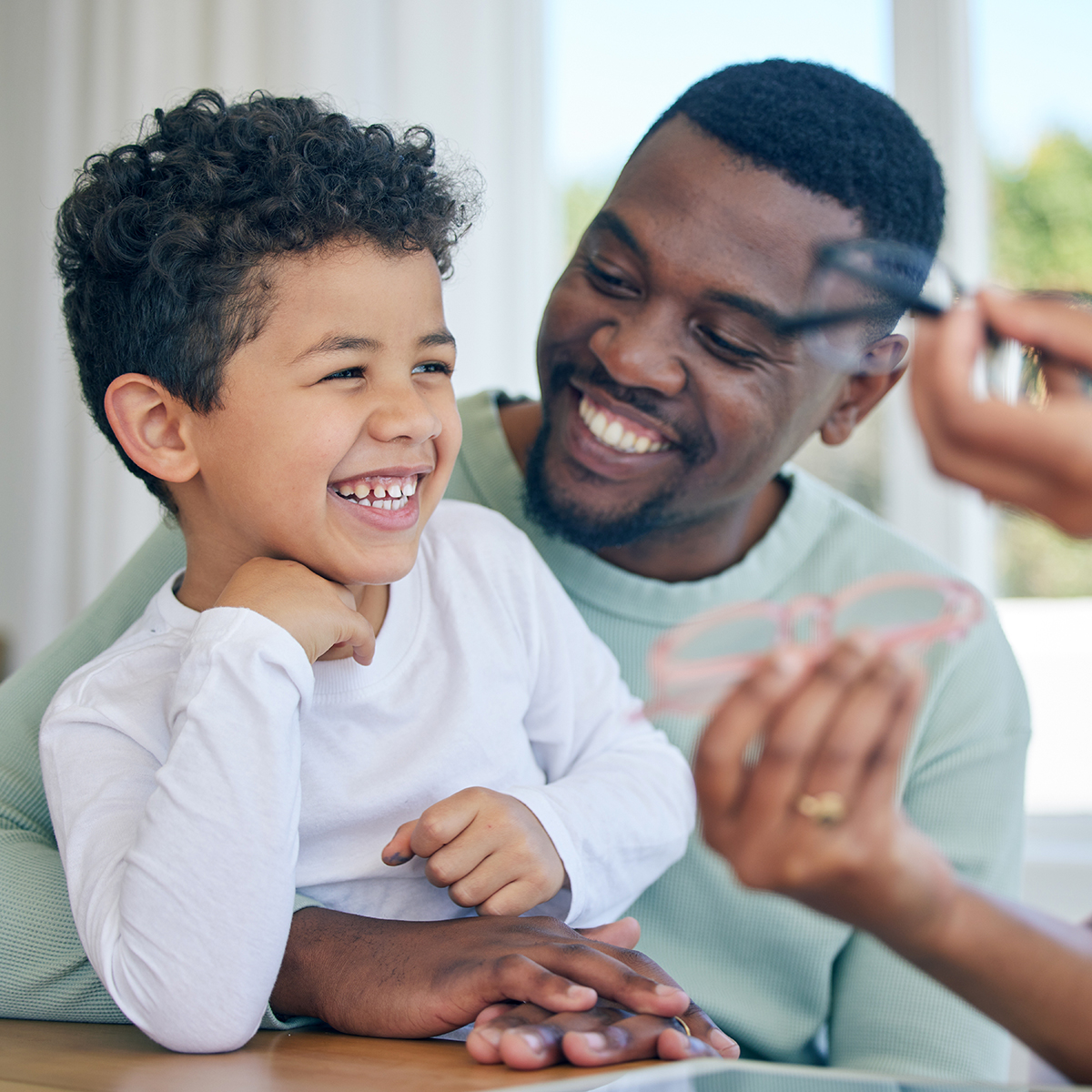
Pediatric Eye Care Designed Around Your Child
Children aren’t simply smaller adult patients. Their eyes are developing, they may not be able to describe what they are seeing, and examining their vision often requires a different approach.
Our pediatric ophthalmologists have specialized training in diagnosing and treating eye conditions in children. We take the time to help children feel comfortable, adapt examinations based on their age and developmental needs, and make sure parents understand what we find and what comes next.
Whether you have noticed a change in your child’s vision or your pediatrician or school has recommended further evaluation, we’re here to help.
Getting Started
Pediatric Conditions We Treat
Our pediatric ophthalmology team evaluates and treats a wide range of childhood eye and vision conditions.
Amblyopia (Lazy Eye)
Amblyopia occurs when vision does not develop normally in one eye because the brain begins relying more heavily on the stronger eye. It may be associated with crossed or misaligned eyes, an unequal glasses prescription, or other conditions that interfere with clear vision.
Because vision develops rapidly during childhood, early diagnosis and treatment are especially important.
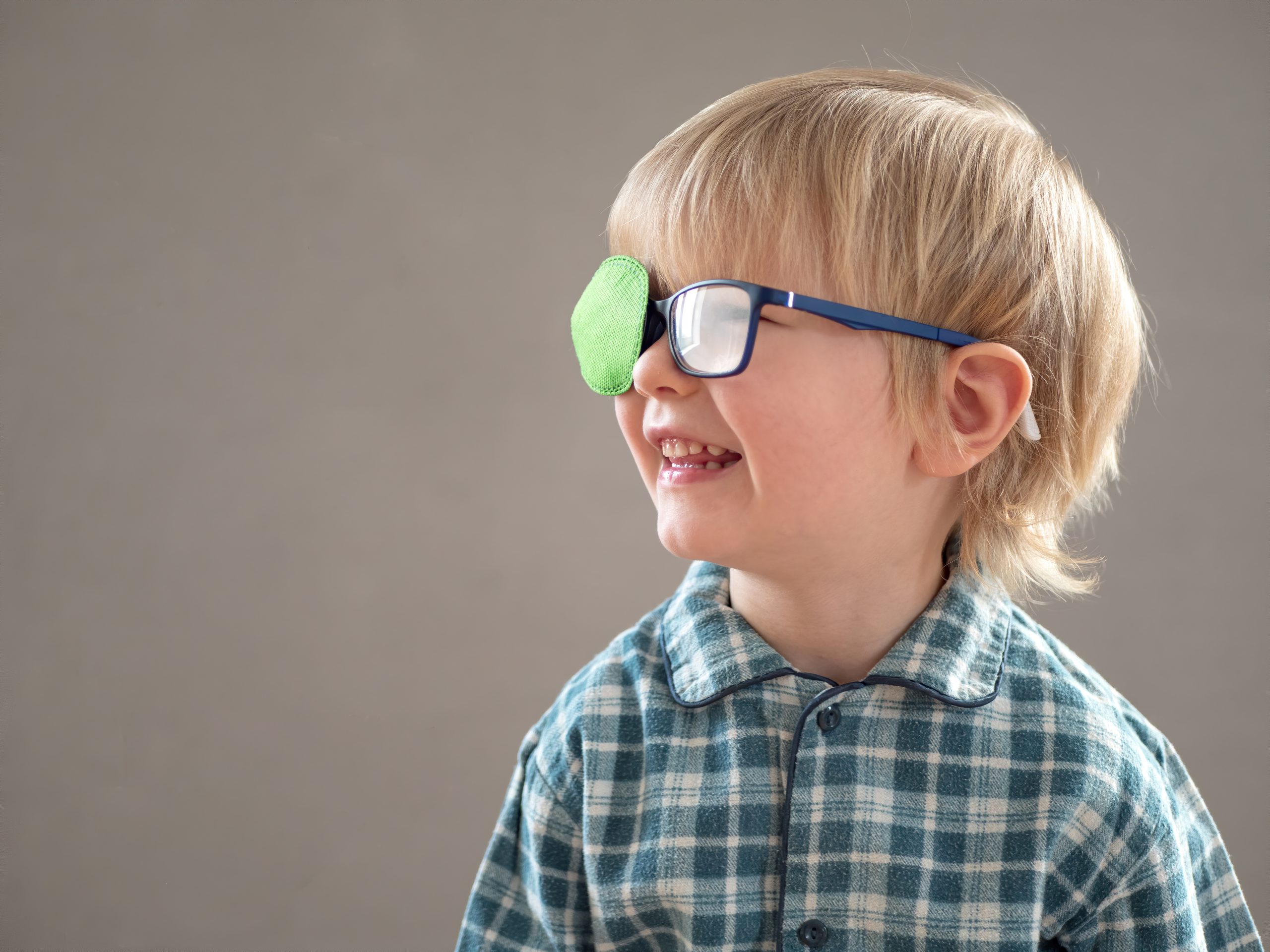
Strabismus
Strabismus occurs when the eyes are not properly aligned and may appear crossed, turned outward, or positioned differently from one another.
Treatment depends on the cause and may include glasses or surgery. Children with strabismus also need to be evaluated for amblyopia and other vision problems.

Nearsightedness, Farsightedness & Astigmatism
- Refractive errors affect the eye’s ability to focus light clearly.
- Nearsightedness (myopia) can make distant objects appear blurry.
- Farsightedness (hyperopia) can make focusing at near more difficult.
- Astigmatism can cause blurred or distorted vision because of the shape of the eye.
Many refractive errors can be effectively corrected with glasses. Identifying significant refractive errors during childhood can also help prevent problems such as amblyopia.
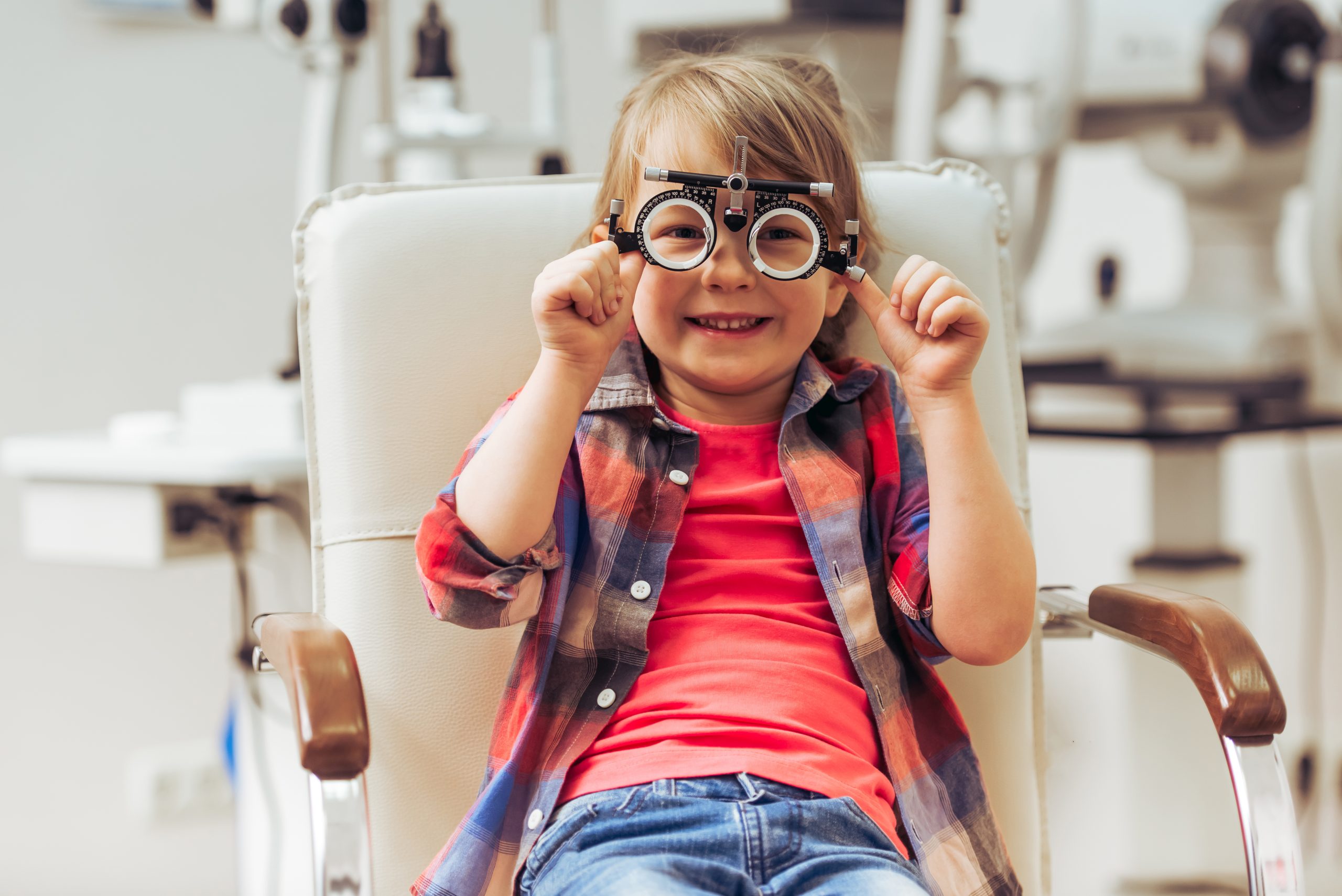
Other Pediatric Eye Concerns
Our ophthalmologists can also evaluate children with concerns such as:
- Failed vision screenings
- Eye misalignment
- Blurry or decreased vision
- Unusual eye movements
- Family histories of childhood eye disease
- Developmental or medical conditions that may affect vision
- Other concerns about the health or development of your child’s eyes
Not sure whether your child needs to see a pediatric ophthalmologist? Our team can help guide you.
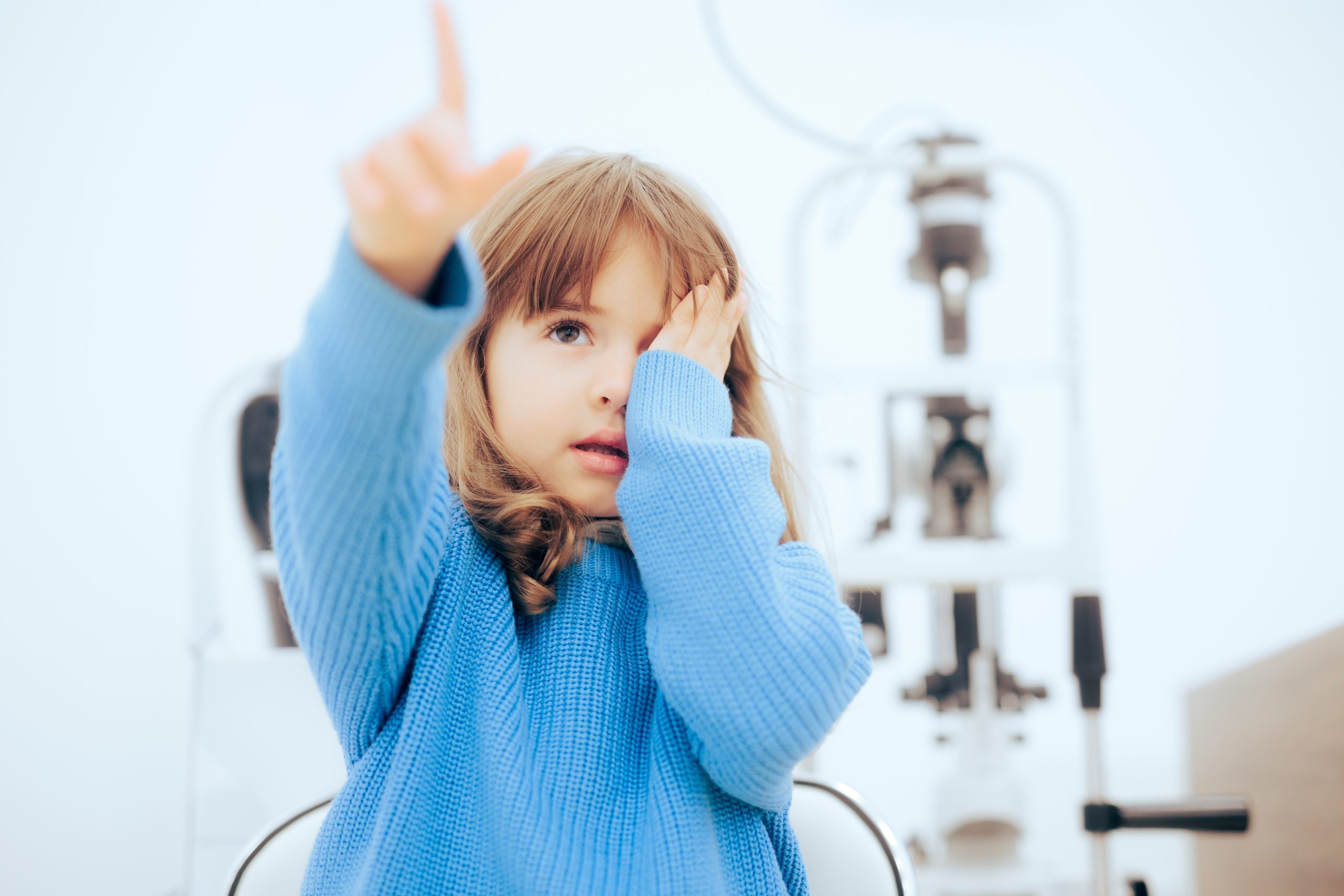
When Should My Child Have Their Eyes Checked?
Vision screenings through a pediatrician, school, or community program can help identify children who may have a vision problem. However, a screening is not the same as a comprehensive eye examination.
Children at increased risk for certain eye conditions may need ophthalmologic evaluation earlier or more frequently.
A pediatric eye examination may be recommended if:
- Your child does not pass a vision screening
- One eye appears to turn inward or outward
- You notice unusual eye movements
- Your child frequently squints or closes one eye
- Your child complains of blurred vision or difficulty seeing
- There is a family history of significant childhood eye conditions
- Your pediatrician recommends further evaluation
- You simply have concerns about your child’s vision or eye health
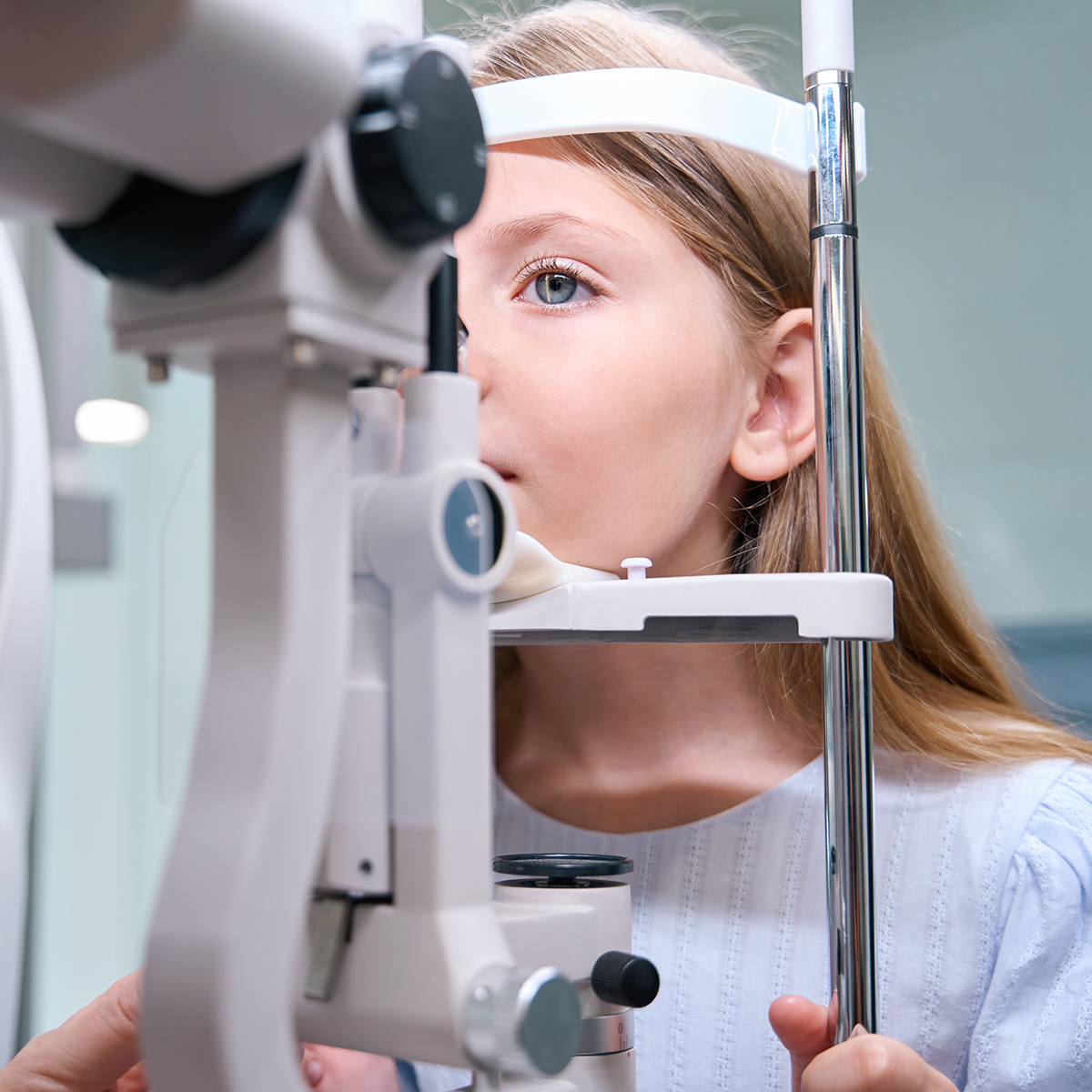
What to Expect at
Your Child’s Eye Exam
A visit to the eye doctor can feel unfamiliar — especially for younger children. Our team works to make it comfortable and positive from the moment you arrive.
Testing built around your child
Every exam is tailored to your child’s age, communication skills, and developmental level — reading is never required.
Dilating eye drops
Most children receive drops. Dilation lets the ophthalmologist measure the glasses prescription accurately and examine the retina, optic nerve, and other structures inside the eye.
Time together, and time to talk
Plan for roughly 1½ to 2 hours for a first visit, including the time drops need to take effect. We’ll review everything with you before you leave.

Care That Meets Kids Where They Are
Every child experiences a medical visit differently. Please tell us about anything that could help make your child more comfortable during their examination.
Our team can modify aspects of the exam when appropriate for children who are particularly apprehensive or who have developmental or medical needs that may affect how they respond to testing.
Parents know their children best, and we welcome information that can help us create the best possible experience.
Why timing matters
Early Attention can Make a
Lifelong Difference
In the early years, the eyes and brain are learning to work together. If one eye consistently sends a weaker or unclear image, normal visual development can be affected.
Young children may not realize — or be able to explain — that one eye sees differently from the other, so some conditions go unnoticed without screening or examination.
The visual system, still developing
Greatest opportunity to protect and improve vision
Infancy
Early childhood
School age
Identifying and treating certain conditions while the visual system is still developing gives a child the best chance at strong vision for life.

Concerned About Your Child’s Vision?
You don’t have to determine what’s wrong before making an appointment. If you have noticed a change, your child did not pass a vision screening, or you simply have questions about their eyesight, our pediatric ophthalmology team is here to help.
What Our Patients are Saying