
Diabetic Eye Care
Protecting Your Vision When You Have Diabetes
Diabetes is the leading cause of new cases of blindness among working-age Americans. Diabetes affects nearly 10% of American adults. EyeHealth Northwest physicians and surgeons are trained to diagnose and care for patients with diabetes. Routine medical vision exams are recommended to maintain vision and prevent vision loss.


The prevalence of diabetes in the United States has been estimated to be at least 9.6% of adults. Obesity, a major contributing factor, has risen 57% since 1991.
Understanding the Risk
Diabetic Retinopathy
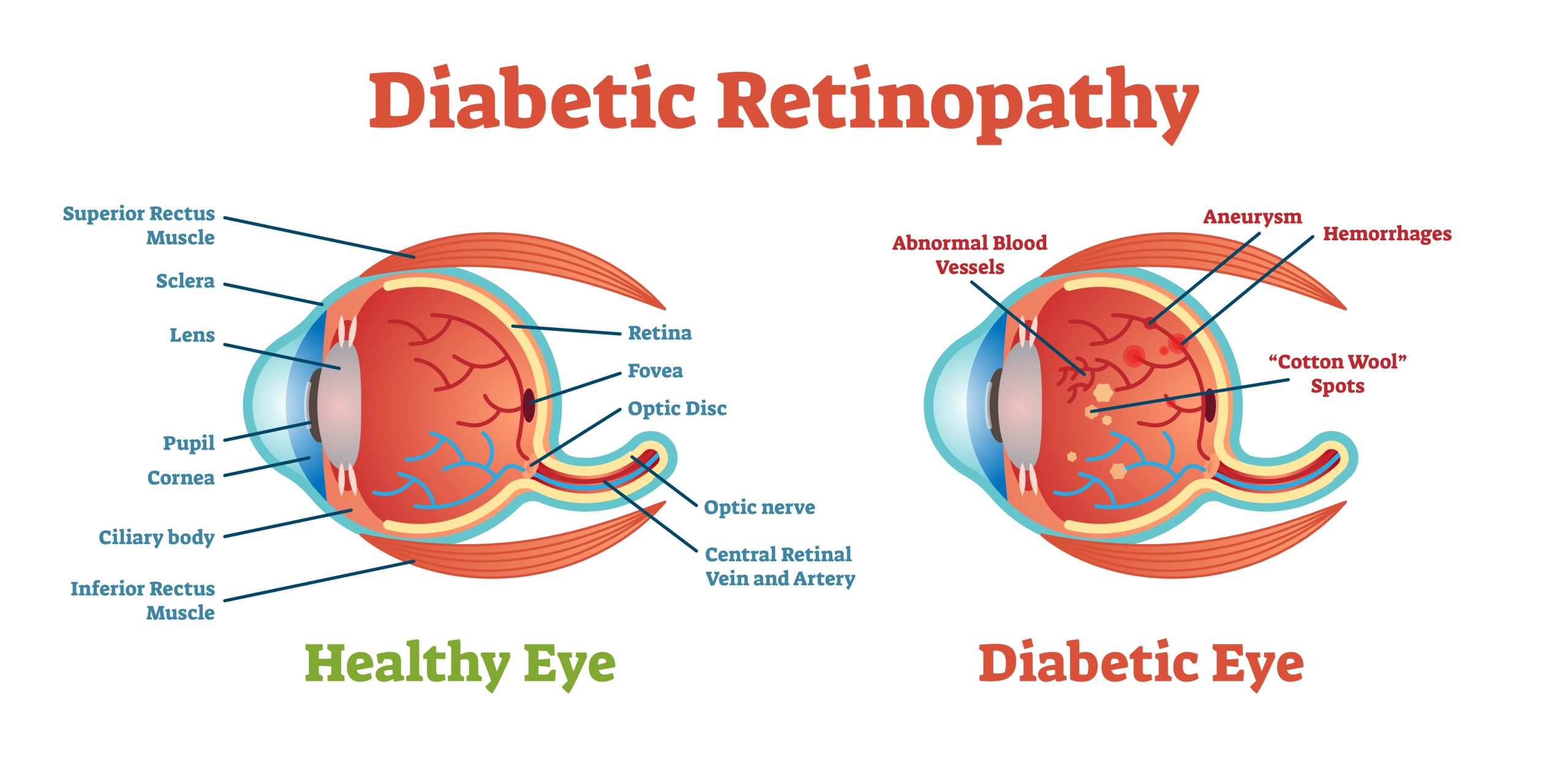
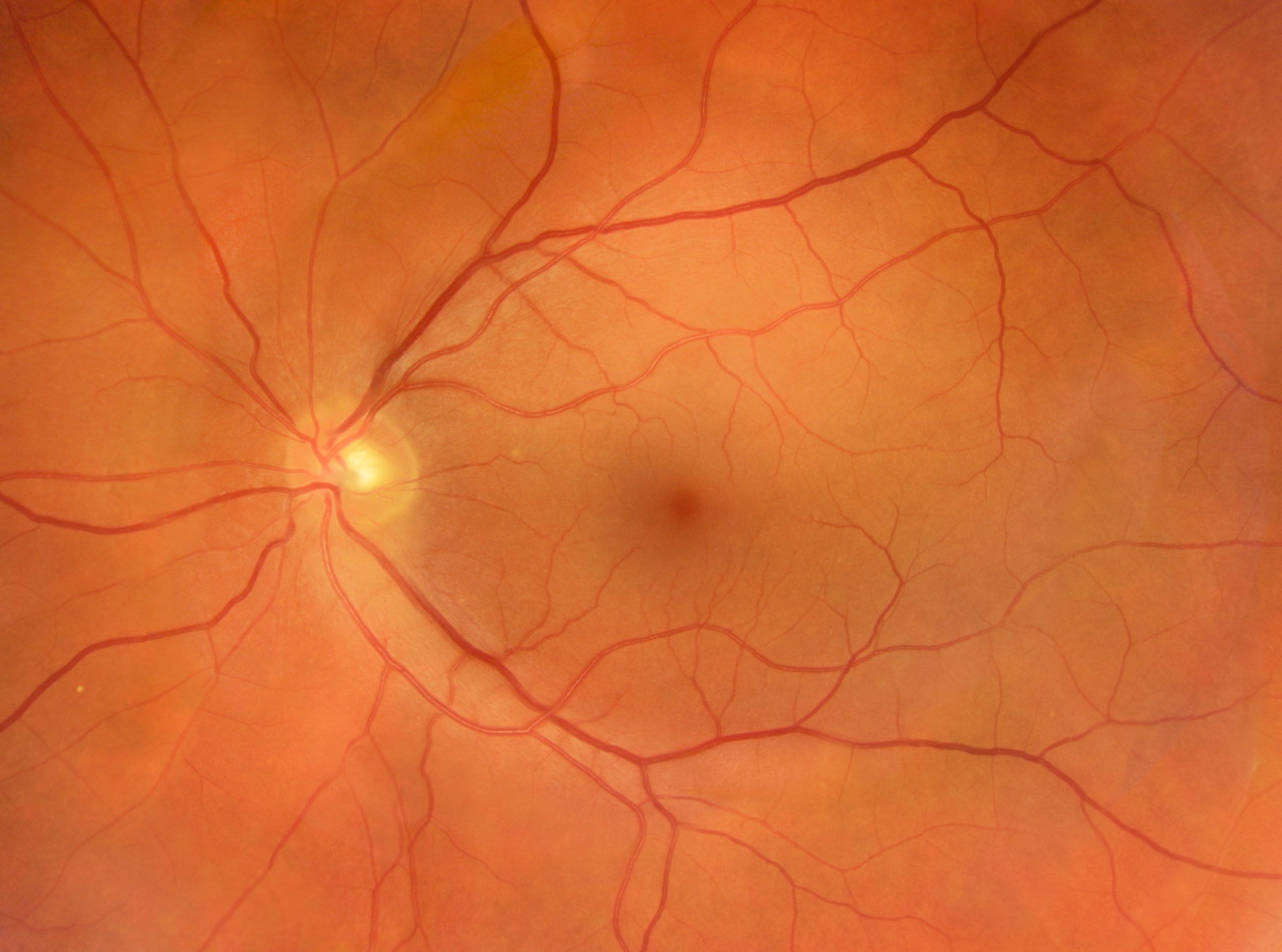
Diabetic retinopathy is a complication of diabetes caused by abnormal changes in the retina. The retina is a nerve layer at the back of the eye that senses light and helps send images to your brain. In diabetes, the blood vessels in the retina may leak fluid or blood and grow fragile, brush-like branches and scar tissue. This can blur or distort the images that the retina sends to the brain.
If you have diabetic retinopathy, at first you may not notice changes to your vision. But over time, diabetic retinopathy can get worse and cause vision loss. Diabetic retinopathy usually affects both eyes.
That’s why a yearly eye exam is so important, even if your vision seems fine.
Treatment & Prevention
Managing Diabetic Retinopathy
The good news: today, with improved methods of diagnosis and treatment, only a small percentage of people who develop diabetic retinopathy have serious vision problems. With careful monitoring, your ophthalmologist can begin treatment before sight is affected. Laser and surgical treatments are highly effective for diabetic retinopathy, but your attitude and attention to medications and diet are also essential in managing the disease.
The risk of diabetic retinopathy is related to many factors, particularly the duration of diabetes and the level of diabetes control. Other factors may aggravate the risk and severity of diabetic retinopathy. Controlling these medical issues is the first-line treatment to prevent diabetic retinopathy. Medical issues and risk factors include:
Medical Issues and Risk Factors
- Uncontrolled blood pressure
- Elevated cholesterol and triglycerides
- Kidney disease
- Anemia
- Smoking
- Pregnancy
Your EyeHealth Northwest doctor will work with you, and with your primary care team, to keep a close eye on your retina health over time.

Getting Started
Is It Time for Your Annual Diabetic Eye Exam?
Early detection is your best protection. If you have diabetes and haven’t had a comprehensive eye exam in the past year, we’re here to help you stay on track.
What Our Patients are Saying